
Credit Card Surcharge Program Guidance
Understand the Rules Before You Offset Processing Costs
A properly configured surcharge may offset a portion of eligible credit-card acceptance costs. Merchants may still incur debit-card costs, monthly fees, chargebacks, equipment charges, network fees, and other expenses.
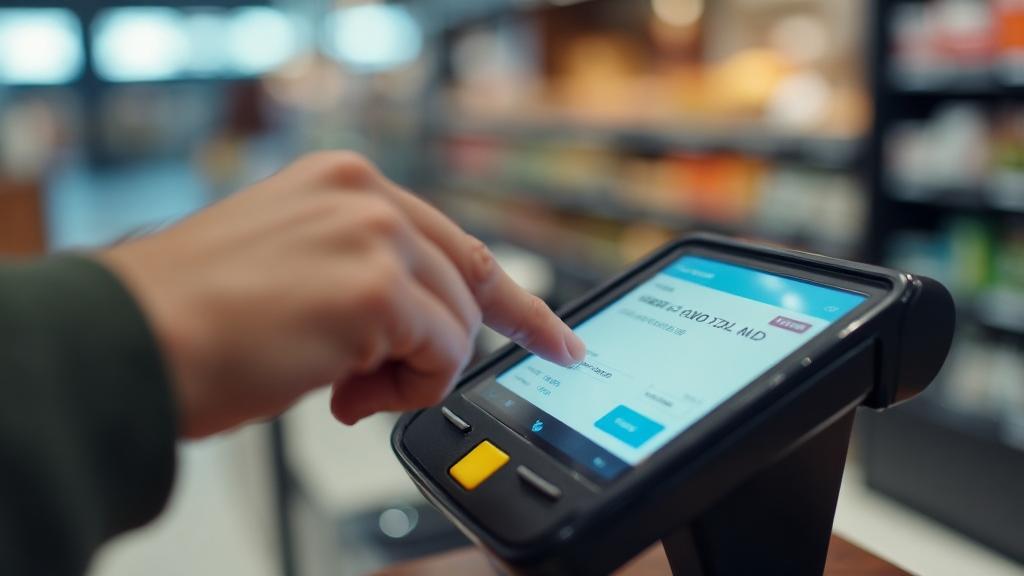
Simple, transparent pricing for you and your customers.
Process Transaction
Step 1
Payment information
Enter amount to pay
Surcharge
$0.00
Total
$0.00
When customers pay with credit, they'll cover the processing fee.
With a surcharge program, customers will be fully aware of their options. If they pay with credit card, they'll pay the processing fee on top.
Process Transaction
Step 1
Payment information
Enter amount to pay
Surcharge
$0.00
Total
$0.00
When customers pay with debit, they aren't charged anything.
In order to stay compliant, a merchant offering a surcharge program cannot charge any fee for debit cards. Our solution automatically detects debit card payments and applies no fee to customers.
What Is a Surcharge Program?
A credit card surcharge is a fee added at checkout only when a customer pays with a credit card. The purpose is to recover a portion of the processing costs you incur when accepting credit cards, without raising prices for customers who choose cash or debit.
In simple terms:
- The base price stays the same.
- The maximum permitted surcharge depends on the applicable card network, processor, jurisdiction, and the merchant's permitted cost of acceptance.
- The surcharge must be disclosed clearly before and at checkout.
Important: Surcharges can only be applied to credit card transactions—debit cards, prepaid cards, checks, cash, and other payment forms cannot be surcharged, and debit restrictions apply even when the customer selects “credit.”

How a Surcharge Program Generally Works (Step-by-Step)
You choose to offer surcharging as an option to offset a portion of eligible processing costs.
Advance notice to your merchant acquirer or processor may be required before implementation, and card-network registration may apply.
You disclose the surcharge to customers where prices are posted, at the point of sale, on receipts, and online where credit cards are accepted.
You collect the surcharge only on eligible credit card transactions—never on debit or prepaid cards.
The surcharge you collect cannot exceed the applicable network, processor, cost, or legal limit.
These steps are general information, not legal advice. Final requirements depend on current law, card-network rules, processor approval, and your implementation.

Why Merchants Consider Surcharging
Merchants often explore surcharging when:
Surcharging is not right for every business, and it does not eliminate processing costs. A properly configured surcharge may offset a portion of eligible credit-card acceptance costs; merchants may still incur debit-card costs, monthly fees, chargebacks, equipment charges, network fees, and other expenses.
Surcharge Limits and Rules
Maximum Surcharge Amount
Visa currently generally limits U.S. surcharges to 3%. Mastercard currently publishes a maximum cap of 4%. The permitted amount may be lower based on the merchant's cost of acceptance, processor requirements, other accepted card brands, or applicable law. Network rules change, so merchants must verify current limits with their processor before implementation.
Core Program Rules
- No surcharge on debit cards.
- No surcharge on prepaid cards.
- Debit restrictions apply even when the customer selects “credit” at checkout.
- Applicable signage and receipt disclosures are required.
- Advance notice to the merchant's acquirer or processor may be required.
- The surcharge cannot exceed the applicable network, processor, cost, or legal limit.
Disclosure Requirements
Merchants must clearly disclose surcharges:
- • Where prices are posted
- • At the point of sale
- • On customer receipts

California Pricing and Surcharge Notice
California's Honest Pricing Law generally requires mandatory fees to be included in the advertised or displayed price. According to the California Attorney General, a credit-card processing fee is generally not considered mandatory when the customer can avoid it by using another accepted payment method, such as cash. If credit cards are the only accepted method, the fee may be mandatory and may need to be included in the advertised price. California businesses must not advertise a misleading lower price, hide payment-method price differences, or add a charge inconsistent with the price presented to the customer. Additional rules may apply to restaurants, bars, and certain food-service businesses.
State and Territory Requirements
State and territory requirements change and may include prohibitions, special disclosures, price-display rules, registration requirements, or surcharge limits. Program availability must be confirmed for the merchant's location and business type before activation.
Explore Whether a Surcharge Program Fits Your Business
JustPayments can help merchants evaluate program availability and coordinate implementation with the applicable processor. Final requirements depend on current law, card-network rules, processor approval, and the merchant's implementation.
Surcharging is not available or appropriate for every merchant. Information on this page is general and is not legal advice. Program terms and availability are subject to processor approval, card-network rules, and applicable law.